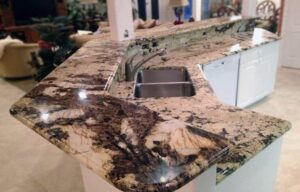

The concept of the “forever home” has evolved. It is no longer just about buying a property you love; it is about curating a space that loves you back, regardless of your life stage. In the world of high-end interior design, a quiet revolution is taking place. It isn’t loud or institutional; rather, it is the seamless integration of ergonomics and aesthetics. This is the new face of aging in place kitchen design.
For decades, “accessibility” in design was synonymous with clinical grab bars and sterile aesthetics. Today, however, universal design is indistinguishable from luxury design. The features that make a kitchen safer for a grandparent—thoughtful lighting, intuitive layouts, and forgiving surfaces—are the same features that make a kitchen a joy to use for a professional chef or a busy parent.
When planning a kitchen renovation or a new build, the countertops often take center stage visually. But beyond the choice between Calacatta Gold marble or soapstone, there are critical architectural decisions regarding edges, heights, and surface textures that define how the kitchen functions. This guide explores how to design a kitchen that remains functional, safe, and breathtakingly beautiful for decades to come.
The Rise of the Multi-Generational Mindset
Why is aging in place kitchen design trending now? The answer lies in a demographic and cultural shift. We are seeing a resurgence of the multi-generational household. Adult children are moving back in, and aging parents are moving in with their children. A kitchen today must serve the toddler, the teenager, the parent, and the grandparent simultaneously.
Furthermore, homeowners are becoming more pragmatic about their investments. Real estate is expensive. The transaction costs of moving are high. Consequently, renovating a home with “future-proofing” in mind is a savvy financial decision. A kitchen designed with universal principles expands the resale market significantly, appealing to buyers of all abilities and ages.
But perhaps most importantly, there is a realization that “aging” isn’t a sudden event—it is a process. Designing for it doesn’t mean preparing for disability; it means preparing for comfort. It is about reducing fatigue, minimizing the risk of injury, and ensuring that the heart of the home remains accessible to everyone, regardless of mobility.
The Edge of Safety: Why Profiles Matter
In the realm of aging in place kitchen design, the edge profile of your countertop is a detail that carries disproportionate weight. While a sharp, mitered square edge might look crisp and modern in a showroom, it presents a significant hazard in a living environment.
As we age, our skin becomes thinner and more susceptible to bruising and tearing. A hip-check into a sharp quartz corner can result in a serious injury for a senior, just as it can be dangerous for a toddler running through the kitchen. Furthermore, should a fall occur, a sharp edge acts as a severe impact point.
The Case for Rounded Countertop Edges
Rounded countertop edges are the gold standard for universal design. Fortunately, they are also timelessly elegant. Here are the profiles that blend safety with style:
- The Bullnose (Full or Half):The bullnose is a classic rounded edge that is completely smooth to the touch. It has no sharp corners.
- The Safety Factor: It offers the highest level of impact protection. Because the water rolls over the curve rather than dripping straight down, it can sometimes direct spills onto cabinet fronts, but this is a minor trade-off for the physical safety it provides.
- The Luxury Look: Full bullnose edges look substantial and expensive, particularly on natural stones like granite or marble, evoking a soft, organic feel.
- The Eased Edge:If the bullnose feels too traditional for your modern aesthetic, the eased edge is the perfect compromise. It looks square from a distance but has had the sharpness “eased” off slightly, usually with a small radius.
- The Safety Factor: It removes the “knife-edge” quality of a true square profile, significantly reducing the severity of bumps and scrapes.
- The Luxury Look: This is the go-to for contemporary, minimalist kitchens. It provides clean lines without the danger.
- The Crescent or Radius Edge:This profile features a gentle curve on the top edge while keeping the bottom square or slightly eased.
- The Safety Factor: It is extremely comfortable for leaning against while prepping food, reducing fatigue on the forearms and hips.
- The Luxury Look: It adds a sculptural element to the stone, catching the light in a way that highlights the depth of the material.
Why to Avoid the “Waterfall” Edge (in High Traffic Zones):
While “waterfall” islands (where the stone continues down the side of the cabinet to the floor) are stunning, they often create rigid, 90-degree corners at hip height. If you love this look, ask your fabricator to apply a generous radius to the external corner where the top meets the side panel, softening the impact zone.
Surfaces, Glare, and Visibility
When selecting universal design kitchen countertops, the material is about more than just durability; it is about visual acuity and friction.
The Glare Problem
As eyes age, they become more sensitive to glare. A high-gloss, polished countertop under bright under-cabinet lighting can create a “mirror effect.” This glare can be disorienting, causing eye strain and making it difficult to see objects clearly—such as a knife edge or a spill.
- The Solution: Opt for honed, leathered, or suede finishes. These matte textures diffuse light rather than reflecting it. They feel warm and tactile to the touch, adding a layer of sensory luxury that high-gloss surfaces lack. A leathered granite or a honed quartz offers a sophisticated, velvety appearance that hides fingerprints and reduces visual noise.
Visual Contrast
Depth perception can deteriorate over time. In an all-white kitchen (white floors, white cabinets, white counters), it can be difficult to distinguish where the counter ends and the floor begins.
- The Solution: Create contrast. If your floors are light, choose a darker countertop, or vice-versa. Even a contrasting edge band can help. This provides a clear visual cue of the workspace boundaries, preventing objects from being pushed off the edge and helping users orient themselves in the space.
Impact and Noise Absorption
Hard surfaces like granite and quartz are unforgiving. If a glass slips, it shatters. If a heavy pot drops, it clangs loudly.
- The Alternative: Consider incorporating sections of wood or butcher block. Wood is naturally antibacterial, warm to the touch, and absorbs sound. It is softer, meaning a dropped plate might survive, and the noise level in the kitchen (which can be overwhelming for those with hearing aids) is dampened. Mixing materials—a quartz island with a wood perimeter, for example—is a high-end design trend that serves a functional purpose.
The Height Debate: Ergonomics for Everyone
The standard kitchen countertop height is 36 inches. This was established as an average, but it is not a law. Aging-in-place kitchen design challenges the “one size fits all” mentality.
Variable Heights
The most effective universal kitchen utilizes variable heights.
- The Standard (36″): Essential for appliances like dishwashers and ranges.
- The Lowered Station (30″ – 32″): This is often referred to as a “baking station,” but in universal design terms, it is a seated prep area. Whether a user is in a wheelchair, or simply cannot stand for long periods due to back pain or fatigue, a lower section allows them to work comfortably while seated. To make this look intentional and luxurious, treat it as a distinct furniture piece—perhaps with a different countertop material like walnut or marble.
- The Raised Bar (42″): While bar height is great for leaning, be wary of making the whole island this high. It can be difficult for children or those with shoulder issues to use effectively.
Knee Space and Clearance
If you are designing a lower work surface, you must ensure there is knee space underneath.
- Luxury Tip: Instead of leaving a gaping hole under the counter, install retractable doors or “pocket” doors that slide away. When not in use, the cabinetry looks flush and complete. When needed, the doors disappear, allowing a chair or wheelchair to slide under the counter.
The Technology of Height
For the ultimate in luxury and utility, consider motorized adjustable countertops. With the push of a button, a section of the island can rise or lower to accommodate the user. This is the pinnacle of universal design: the environment adapts to the human, not the other way around.

Smart Storage and Reach Zones
While this article focuses on countertops, the interaction between the counter and the storage above/below it is vital.
- Avoid Counter Clutter: Design “appliance garages” at countertop level. Heavy appliances like mixers or blenders should slide out on the counter, rather than needing to be lifted from a lower cabinet. This protects the lower back and ensures the counter surface remains usable.
- The “No-Reach” Zone: Deep corners in countertops are often “dead space” because reaching into them requires awkward stretching. Avoid deep corner counters where possible, or install specialized pull-out corner systems (like a Le Mans corner) that bring the contents out to you.
Do This, Not That: A Quick Reference
To summarize the principles of universal design kitchen countertops, here is a quick “Do This, Not That” guide for your renovation.
| Feature | DO THIS (Aging-in-Place / Luxury) | NOT THAT (High Risk / High Maintenance) |
| Edge Profile | Rounded, Bullnose, or Radius Eased. Soft on the body, chip-resistant, and timeless. | Sharp Square or Mitered. Dangerous impact points for hips/heads; prone to chipping. |
| Finish | Honed, Leathered, or Matte. Reduces glare, hides smudges, tactile warmth. | High-Gloss Polished. Creates blinding glare under LEDs; highlights every scratch. |
| Color/Contrast | High Contrast. Distinct difference between counter and floor/cabinets for visual cues. | Monochromatic. “White-on-white-on-white” washes out depth perception. |
| Material | Low Maintenance (Quartz, Sintered Stone). Non-porous, requires no sealing, easy to clean. | High Maintenance (Porous Limestone/Marble). Requires constant sealing; etching can look “dirty” to failing eyes. |
| Height | Varied Heights. Include a 30-32″ seated workstation or knee-space area. | Uniform 36″ Only. Forces standing for all tasks; difficult for children or those with fatigue. |
| Overhang | Slightly Extended. Helps catch spills before they hit the floor or cabinets. | Flush with Cabinets. Spills run directly down drawer fronts and onto the floor (slip hazard). |
Conclusion: The Luxury of Longevity
Designing for aging in place is not about compromising style; it is about elevating functionality. A kitchen with rounded countertop edges, matte finishes that soothe the eye, and varied heights that welcome every family member is a kitchen that feels better to live in.
When you prioritize these elements, you aren’t just building a kitchen for your “senior years.” You are building a kitchen for the day you sprain your ankle skiing. You are building a kitchen for your pregnant daughter. You are building a kitchen for your grandchild learning to bake.
True luxury is seamlessness. It is the absence of friction. By integrating these universal design principles, you ensure that your kitchen remains the heart of your home—welcoming, safe, and beautiful—forever.