
If you are planning a kitchen renovation in Orlando this year, you are likely already leaning toward quartz. According to 2026 industry forecasts, engineered stone now commands nearly 78% of new countertop installations in the United States. But in Central Florida, where humidity is high and “indoor-outdoor” living is the standard, choosing the right surface requires more than just picking a pretty color.
The trend for 2026 has shifted dramatically from the clinical, stark whites of the last decade to a “Warmth & Wellness” aesthetic—think creamy taupes, organic leathered textures, and deep, earthy veins. This guide details everything an Orlando homeowner needs to know before buying, from navigating the Florida heat to finding the perfect slab.
1. What is Quartz and Why is it Trending in 2026?
Unlike granite (which is cut directly from the earth), quartz is an engineered stone. It is typically composed of 90–93% crushed natural quartz crystals mixed with 7–10% high-quality polymer resins and pigments.
The “Warmth & Wellness” Shift
For 2026, Orlando interior designers are moving away from “hospital sterile” kitchens. The hottest styles this year include:
- Warm Neutrals: Colors like Calacatta Laza Warm, Taj Mahal interpretations, and sandy beiges that pair with white oak cabinetry.
- Tactile Finishes: “Leathered” and “Honed” matte finishes that feel soft to the touch, replacing the high-gloss shine of the 2010s.
- Jumbo Slabs: Bigger islands require bigger slabs to avoid unsightly seams.

2. The Florida Factor: Quartz Performance in Orlando
Living in Central Florida presents unique challenges for home materials. Here is how quartz stacks up against the local elements.
The Pros: Humidity’s Worst Enemy
Orlando is humid. Porous stones like granite and marble act like hard sponges; if their sealant fails, they can absorb moisture from the air and spills, leading to bacterial growth and even mold in the substrate.
- Non-Porous: Quartz is completely non-porous. It does not require sealing—ever.
- Hygiene: In a humid climate, this makes quartz significantly more hygienic than granite. It is NSF-certified food safe and naturally resistant to mildew.
The Cons: Heat and Sun (The Kryptonite)
While quartz is tough, it has two major weaknesses relevant to Florida homeowners:
- UV Instability (Direct Sunlight): Standard quartz resin reacts poorly to UV rays. If you have a kitchen with massive unshaded windows facing west, or if you plan to use it for an outdoor summer kitchen, standard quartz will yellow and fade.
- Solution: Use UV-resistant window tinting or choose specific “Outdoor Quartz” lines (see below).
- Heat Sensitivity: Granite can withstand a hot pan; quartz cannot. The resin binder can scorch or melt at temperatures as low as 300°F (150°C).
- Rule: Always use a trivet. A hot pot directly off the stove can leave a permanent white ring or scorch mark on your counter.
3. Orlando Buyer’s Checklist: What to Look For
Don’t walk into a showroom blind. Use this checklist to ensure you get quality material and installation.
A. Thickness: 2cm vs. 3cm
- 2cm (approx. 3/4 inch): often used in bathrooms or budget projects. In kitchens, it usually requires a plywood sub-top for support, and the edge must be “laminated” (glued) to look thicker.
- 3cm (approx. 1 1/4 inch): The standard for luxury kitchens in Orlando. It sits directly on the cabinets (no plywood needed) and offers a sleek, modern profile. Recommendation: Go with 3cm for the kitchen.
B. Finishes: Polished vs. Matte
- Polished: The classic, shiny finish. It is the most stain-resistant and easiest to clean.
- Honed/Matte: Very trendy for 2026. Warning: Matte finishes can hold onto oils from fingerprints and make “messy” spots more visible, requiring more frequent wiping.
- Leathered: A textured finish that hides crumbs and fingerprints well but gives a rustic, organic feel.
C. Seams and Slab Size
If you have a large island (over 9 feet), ask for “Jumbo Slabs.” Standard slabs are often ~120×55 inches. Jumbo slabs can reach ~130×65 inches, allowing you to cover a massive island without a seam down the middle.
- Installation Tip: Ask your fabricator about their seam technology. The best Orlando installers use “Gorilla Grips” or suction seam setters and color-match the epoxy on-site so the seam is nearly invisible.
D. Warranties
Look for a Lifetime Transferable Warranty. Major brands like Cambria, Silestone, and Caesarstone offer this. It adds resale value to your home if you sell. Avoid “generic” or “container quartz” from unknown overseas factories if they don’t offer a clear warranty structure.

4. Cost Guide: What to Expect in Orlando (2026)
In the Orlando/Central Florida market, pricing has stabilized after the post-pandemic spikes.
| Quality Level | Price Per Sq. Ft. (Installed) | Description |
| Builder Grade | $50 – $65 | Basic speckle patterns, 2cm thickness, standard colors. |
| Mid-Range | $70 – $90 | The “Sweet Spot.” Marble-look veins, 3cm thickness, popular brands (MSI, Silestone). |
| Luxury / Premium | $95 – $130+ | High-definition exotic veins, jumbo slabs, premium US-made brands (Cambria). |
Note: These prices generally include the material, fabrication (cutting), and installation.
5. Outdoor Kitchens: Can You Use Quartz?
For your Orlando summer kitchen or lanai, standard quartz is a mistake due to UV discoloration. However, in 2026, technology has caught up.
- The Exception: Look for Caesarstone Solaris or specific “Outdoor Quartz” lines. These are formulated with special UV-stable resins tested to withstand Florida sun.
- The Alternatives: If you cannot find an outdoor quartz you like, stick to Granite (natural stone doesn’t fade) or Porcelain (ultra-durable and UV proof) for outdoor spaces.
6. Top Brands Available in Central Florida
- Cambria: American-made, luxury designs. Massive presence in Orlando luxury homes.
- Silestone (by Cosentino): Known for their “HybriQ” sustainable technology and vast color range.
- MSI Q Quartz: Excellent value. Huge distribution center in the Orlando area means stock is usually available quickly.
- Caesarstone: Pioneers of the surface, strong reputation for concrete-style and outdoor options.
FAQ: Quartz in Orlando
Q: Will quartz stain from orange juice or coffee?
A: Generally, no. Quartz is non-porous and highly stain-resistant. However, you should wipe up spills quickly. Avoid harsh chemicals like bleach or drain cleaner, which can damage the resin.
Q: Can I put a hot pan on quartz?
A: No. Unlike granite, the resin in quartz can scorch or melt. Always use a trivet or hot pad.
Q: How do I clean my quartz countertops?
A: Keep it simple. Warm water and mild dish soap (like Dawn) are best. For stuck-on food, use a soft plastic putty knife. Avoid abrasive scrubbing pads (like green Scotch-Brite) which can dull the polish.
Q: Is 2026 a good time to buy?
A: Yes. Supply chains have normalized, and the variety of “warm” colors available now is better than ever.
Q: How do I find a good installer in Orlando?
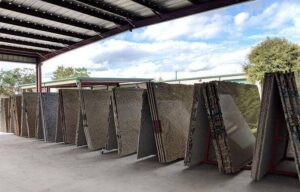
A: Look for a “Fabricator,” not just a supplier. Ask to visit their “boneyard” (remnant yard) to see their cutting quality. Check reviews for specific mentions of “seams”—a good seam is the mark of a pro.
Disclaimer: Prices and trends are based on 2026 market projections for the Central Florida area and may vary by specific location and vendor.